
15 Employee Onboarding Best Practices for Better Candidate Experience
Recruit
Onboarding
11 min read
Key Highlights
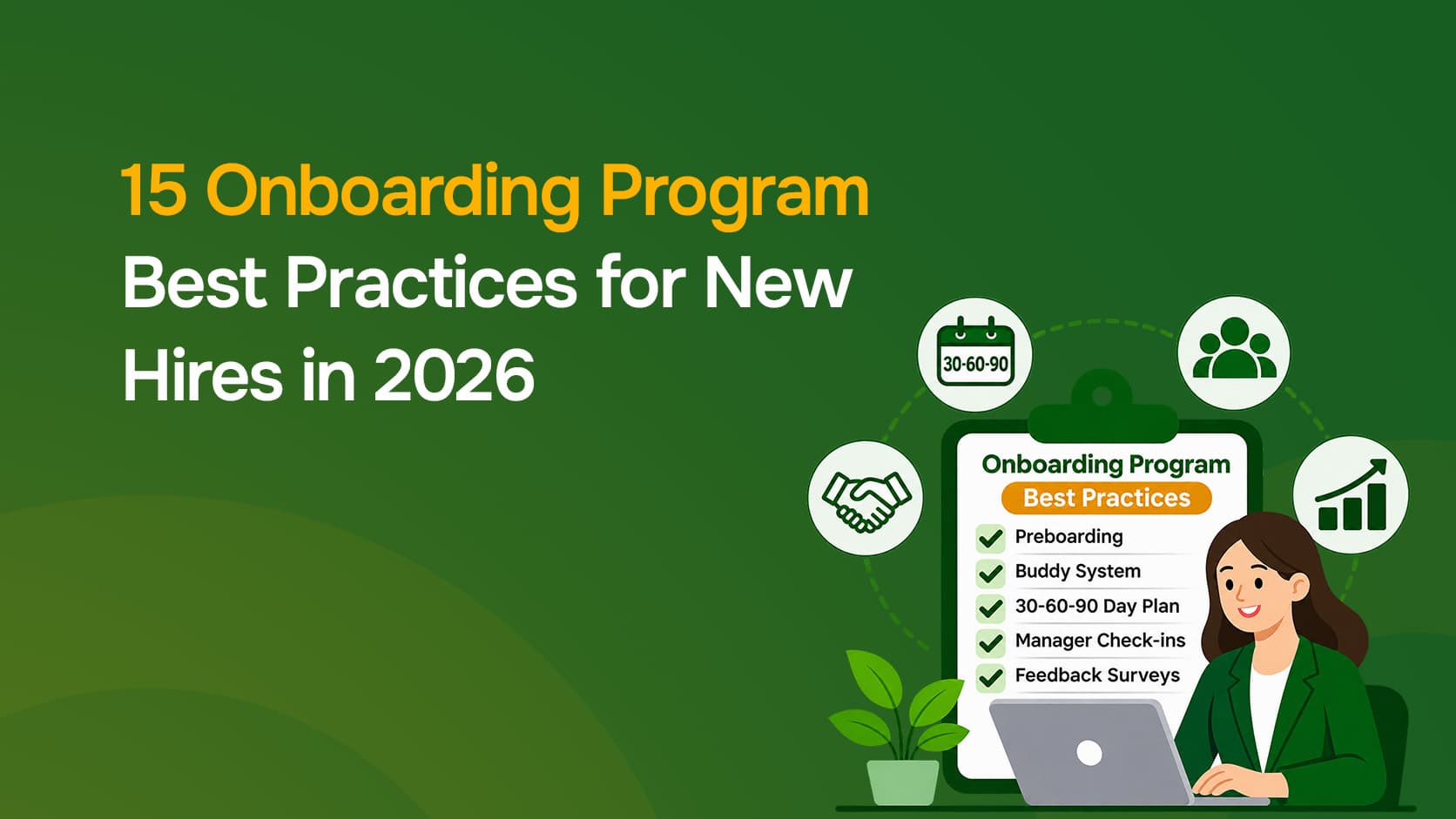
Effective onboarding begins before day one and continues well beyond orientation.
Preboarding reduces first-day uncertainty by preparing equipment, information, schedules, and key contacts in advance.
A 30-60-90-day plan gives new hires clear goals without overwhelming them with immediate expectations.
Regular manager check-ins support goal setting, feedback, engagement, and faster adjustment to the role.
Strong programs track time to productivity, retention, engagement, employee feedback, and manager satisfaction.
Introduction
A new employee should not spend their first week wondering who to contact, what success looks like, or whether they made the right decision by joining your organization.
A strong onboarding program removes that uncertainty by giving new hires the right information, relationships, tools, and expectations at each stage of their transition.
Instead of treating onboarding as a first-day orientation, effective programs continue through the first weeks and months as employees learn how to contribute confidently.
This structured approach also helps managers identify problems early while giving new employees enough time to understand their role and workplace.
In this blog, you will learn 15 employee onboarding best practices, the metrics that show whether they work, and the common mistakes that weaken new-hire experiences.
What Makes a Great Employee Onboarding Program?
A great employee onboarding program gives new hires clarity, connection, practical support, and a structured path toward becoming confident in their role.
To create that foundation, the program should handle necessary administration without letting paperwork dominate the experience.
It should then help employees understand expectations, meet coworkers, learn the company culture, access key resources, and know who to turn to for support.
The best onboarding programs continue the experience created during recruitment rather than starting from zero on the employee's first day.
If your organization is reviewing its wider hiring journey, your candidate experience best practices should therefore align with what employees actually experience after accepting an offer.
The quality gap remains significant: Gallup's employee-experience research reports that only 23% of employees strongly agree that the onboarding process for their current job was exceptional.
Closing that gap requires attention to both the practical and human sides of joining a company, with managers, HR, coworkers, and mentors clearly understanding their responsibilities throughout the process.
“The faster new hires feel welcome and prepared for their jobs, the faster they will be able to successfully contribute to the firm's mission.”— Talya Bauer, Cameron Endowed Professor of Management, Portland State University
How to Build Onboarding That Works, Step by Step
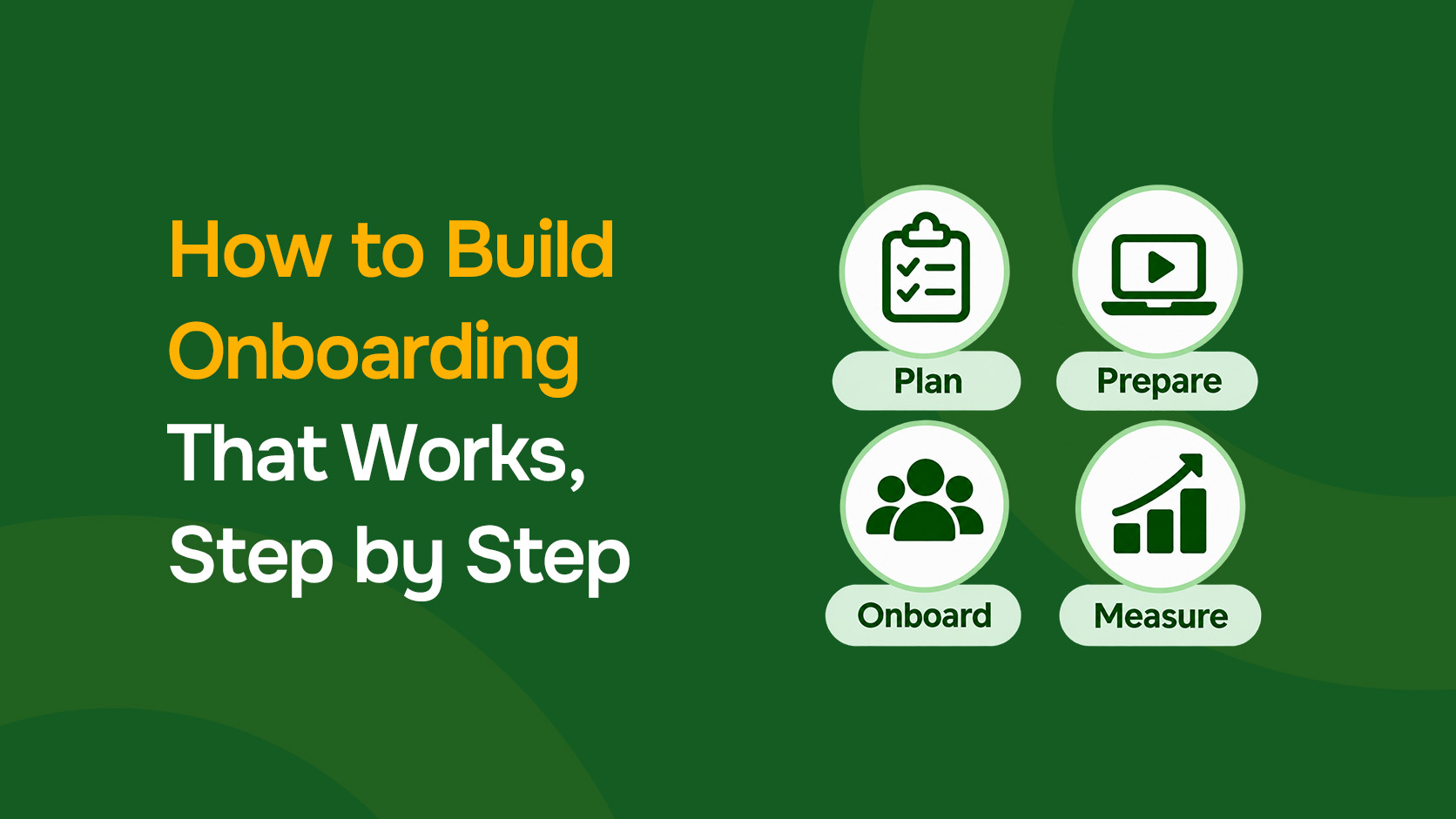
The following new hire onboarding best practices follow the employee journey from offer acceptance through the first 90 days and into ongoing development.
Preboarding
Preboarding covers the period between accepting an offer and starting work, which gives you an early opportunity to remove uncertainty and maintain the positive experience created during recruitment.
1. Start the Onboarding Process Before Day One
Begin communicating as soon as the candidate accepts the offer instead of waiting until their start date.
Send practical information about arrival time, dress expectations, remote-login instructions, parking, paperwork, and what the first day will involve.
Current ADP onboarding guidance similarly recommends communicating with managers before day one and providing first-week information in advance.
2. Send a Welcome Pack and Complete IT Setup
Prepare the new hire's equipment, accounts, software access, email, identification, and required documents before they arrive.
A welcome pack can add a personal touch, but functional preparation matters more than branded merchandise.
When the laptop, logins, workspace, and essential systems already work, the employee can spend their first day meeting people and learning instead of waiting for access.
3. Share the First-Week Plan and Key Contacts
Give new hires a simple schedule showing important meetings, training sessions, breaks, and expected activities for their first week.
Alongside the schedule, identify their manager, HR contact, onboarding buddy, and anyone responsible for technical support.
This context reduces unnecessary questions while helping the employee understand where to go when they need assistance.
“Look for key moments from offer acceptance until start where you can drop a ‘hello’ to foster a sense of belonging.”— Melissa Scasny, Senior Director of HR Operations, ADP
First Day and First Week of Onboarding
Once the employee starts, onboarding should balance practical learning with relationships, culture, and early confidence rather than packing every available policy into one week.
4. Assign an Onboarding Buddy or Mentor
Give each new hire a trusted person they can approach with everyday questions that may feel too minor to bring to a manager.
A structured buddy system supports social connection while helping employees understand informal processes, team norms, and where to find information.
SHRM's onboarding guidance also identifies mentoring and buddy systems as a core component of onboarding.
5. Create a Structured First-Week Schedule
Plan the first week around a manageable mix of orientation, role training, team introductions, manager meetings, and independent learning.
Avoid filling every hour with presentations because new hires need time to process what they learn and identify questions.
A visible schedule also helps managers and coworkers understand when their participation is required.
6. Introduce the Team and Company Culture
Introduce new hires to the people they will work with while explaining how the organization communicates, makes decisions, collaborates, and applies its values in daily work.
This culture immersion should reinforce the workplace experience presented through your employer branding, rather than relying only on a presentation about mission and values.
The connection matters because Gallup's onboarding research found employees who strongly understand how their organization operates are 4.7 times more likely to strongly agree their onboarding was exceptional.
7. Give New Hires a Meaningful First Assignment
Give the employee a small, achievable task that reflects real work instead of keeping them in training for an extended period without an opportunity to contribute.
The assignment should be large enough to build confidence but simple enough to complete with available support.
Early practical work also helps managers identify training gaps and begin establishing a realistic baseline for time to productivity.
“Think of onboarding as high touch, organized and proactive. Think of this as a human experience.”— Amy Freshman, Senior Director, Global HR, ADP
First 90 Days of Onboarding
As the employee becomes familiar with daily work, onboarding should gradually shift from basic orientation toward performance, independence, relationships, and development.
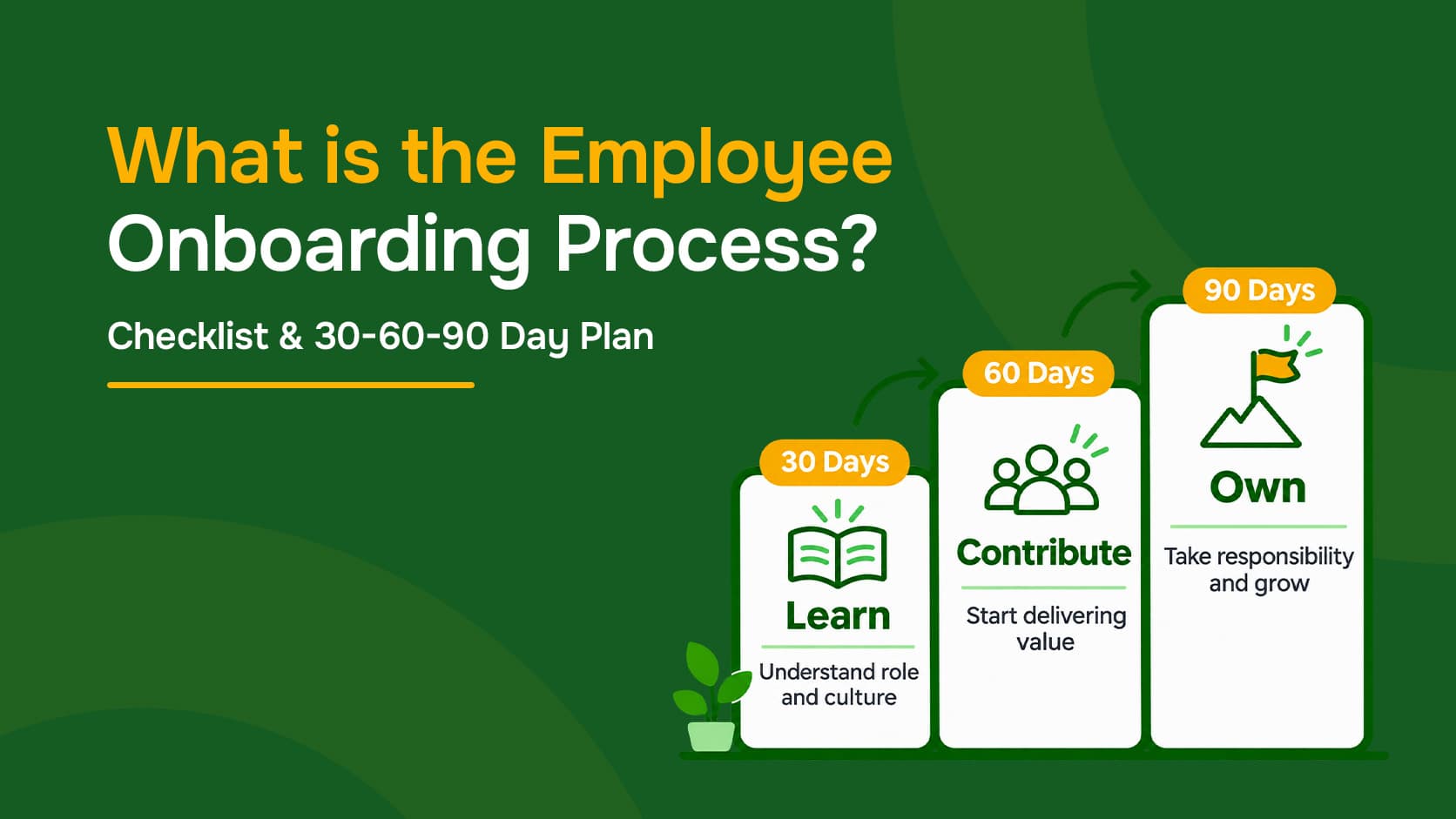
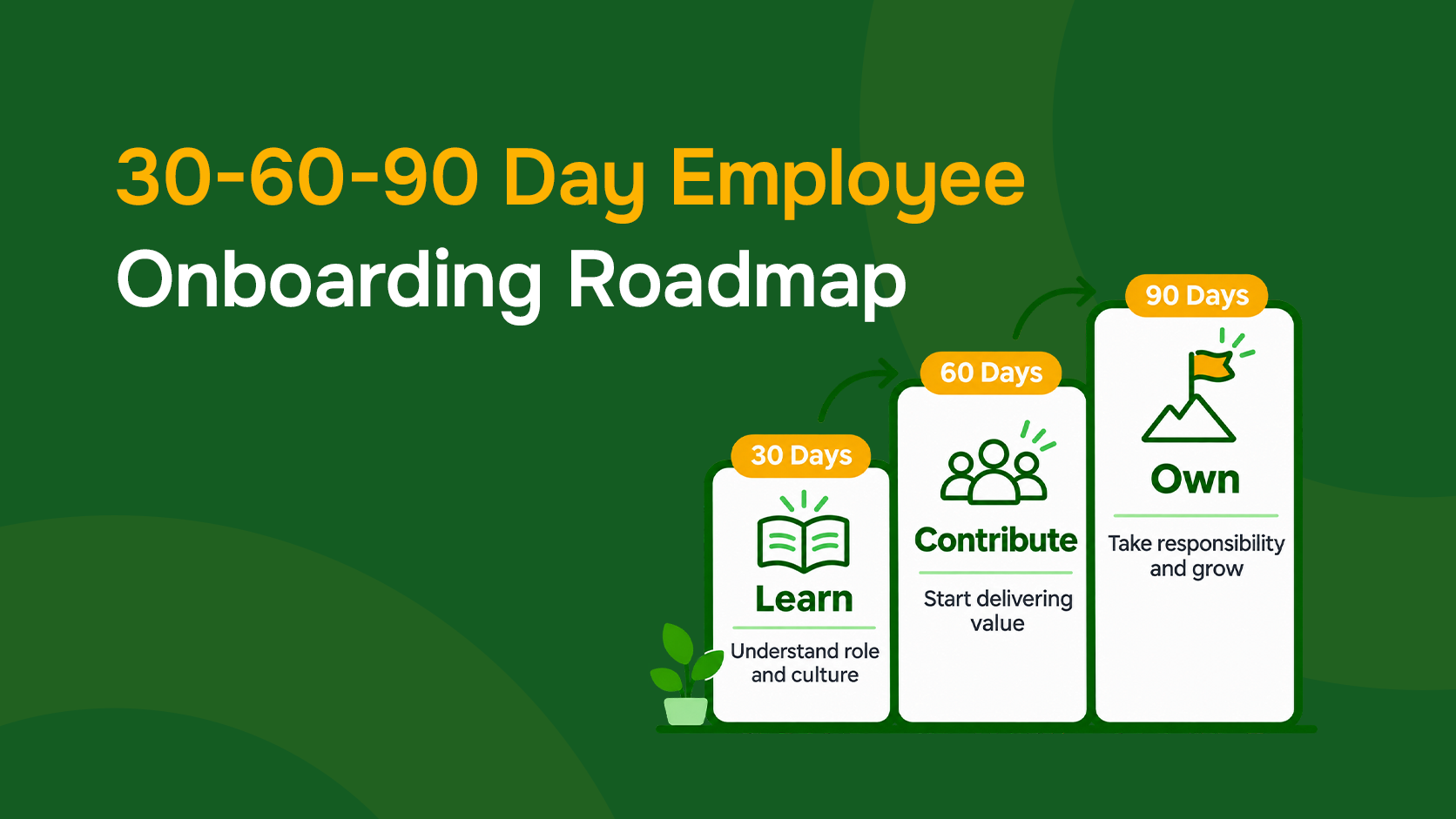
8. Implement a 30-60-90 Day Onboarding Plan
Use a 30-60-90-day plan to divide onboarding into realistic stages rather than expecting full productivity immediately.
During the first 30 days, focus on learning and relationships; by 60 days, increase responsibility and contribution; by 90 days, review progress, identify remaining gaps, and establish the next development priorities.
9. Set Clear Goals and Performance Expectations
Explain what good performance looks like and connect early responsibilities to measurable outcomes.
Clear goal setting should cover immediate priorities, expected behaviors, decision-making authority, and how performance will be reviewed.
When employees understand both what they need to accomplish and why it matters, check-ins become more useful because progress can be discussed against shared expectations.
10. Schedule Regular Check-ins and Feedback
Schedule regular check-ins instead of waiting until a probation review or formal performance conversation.
Early meetings can be frequent and short, then become less frequent as the employee gains confidence.
Use them to discuss workload, questions, relationships, training needs, progress toward goals, and feedback in both directions.
11. Keep Managers Actively Involved
HR can coordinate the onboarding framework, but direct managers need to stay involved because they provide role-specific context, priorities, coaching, and performance feedback.
Strong manager involvement also prevents onboarding from becoming a checklist that is technically complete but disconnected from the employee's actual work.
“Reviewing and giving thoughtful feedback on your new hire's early contributions are also important during onboarding.”— Ben Peterson, Co-Founder and former CEO, BambooHR
Ongoing Onboarding Process
Onboarding should continue long enough to identify whether employees are becoming confident, connected, productive, and prepared for longer-term development.
12. Collect Employee Feedback Through Surveys
Use short feedback surveys at meaningful points such as the first week, first month, and end of the initial onboarding period.
Ask whether expectations were clear, systems were ready, training was useful, manager support was available, and important information arrived at the right time.
Combine survey responses with conversations so employees can explain why a particular part of the process worked or failed.
13. Use Onboarding Software to Coordinate Tasks
Use onboarding software when manual coordination makes it difficult to track documents, training, approvals, reminders, equipment, and responsibilities across multiple hires.
Technology works best when it removes repetitive administration rather than replacing personal interaction.
As a result, automation should free managers and HR teams to spend more time on conversations, coaching, introductions, and employee support.
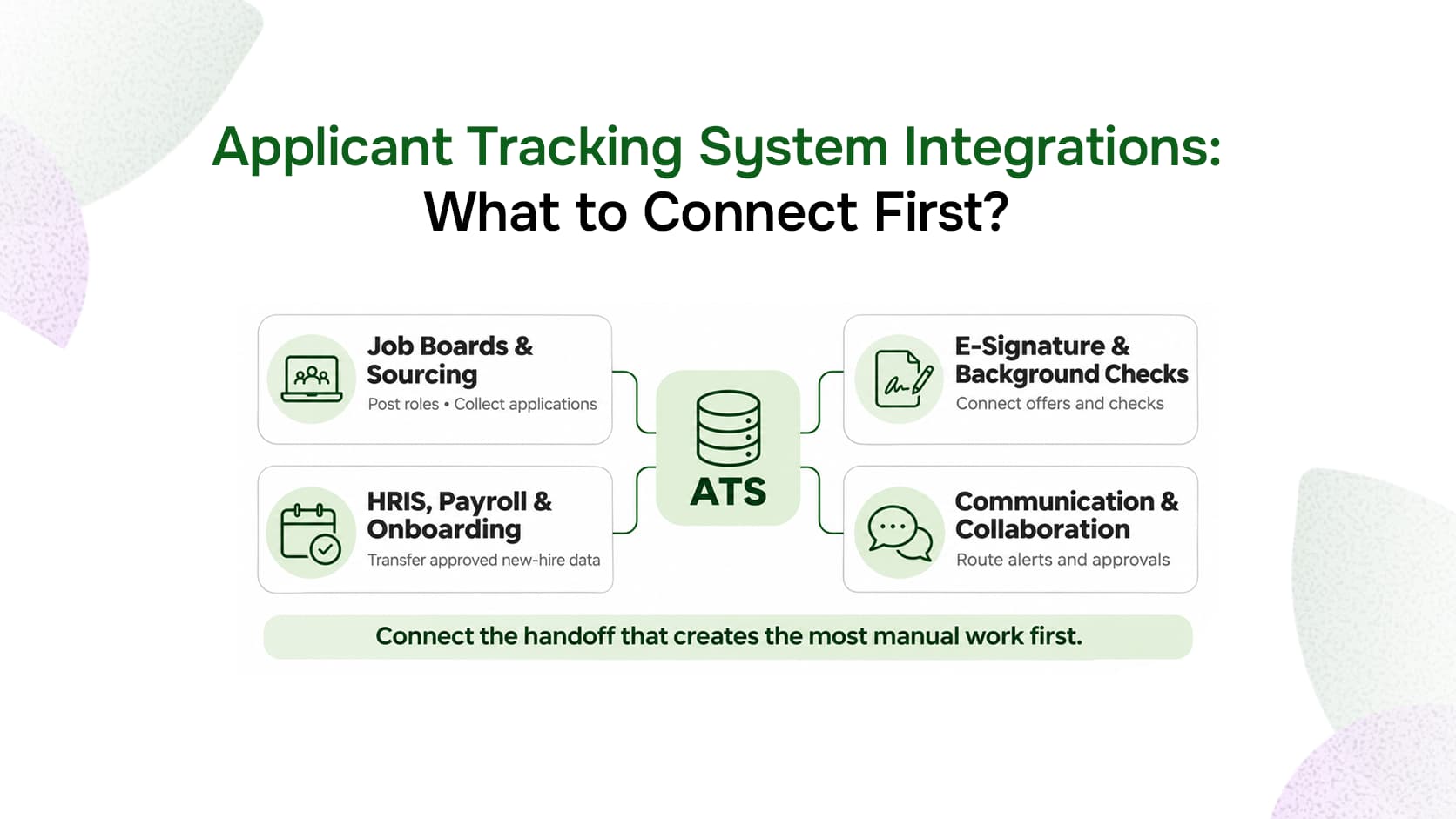
For teams that want to keep the hiring-to-onboarding handoff connected, Mercury Recruit’s Candidate Management tools support candidate tracking, document collection, onboarding tasks, and the transition of hired candidates into employee records.
Its AI & Automation tools also help reduce repetitive work earlier in the hiring workflow.
Start Onboarding from the Candidate Profile
Collect documents and assign onboarding tasks without re-entering data.
See Candidate Management14. Personalize Onboarding for Different New Hires
Keep the core process consistent while adapting training, introductions, resources, and timelines to the employee's role, location, seniority, and existing knowledge.
For example, a remote engineer requires a different setup from an on-site sales manager, while a returning employee may not need every introductory activity repeated.
If former employees or returning candidates are managed through a talent pool, use their existing history to help determine which onboarding steps still add value.
15. Continuously Improve Your Onboarding Program
Review onboarding data and employee feedback regularly instead of treating the process as a finished template.
Look for repeated questions, delayed access, weak training areas, early turnover patterns, or points where employees consistently lose confidence.
You can then update the employee onboarding process based on evidence rather than assumptions.
Employee Onboarding Metrics That Measure Real Progress
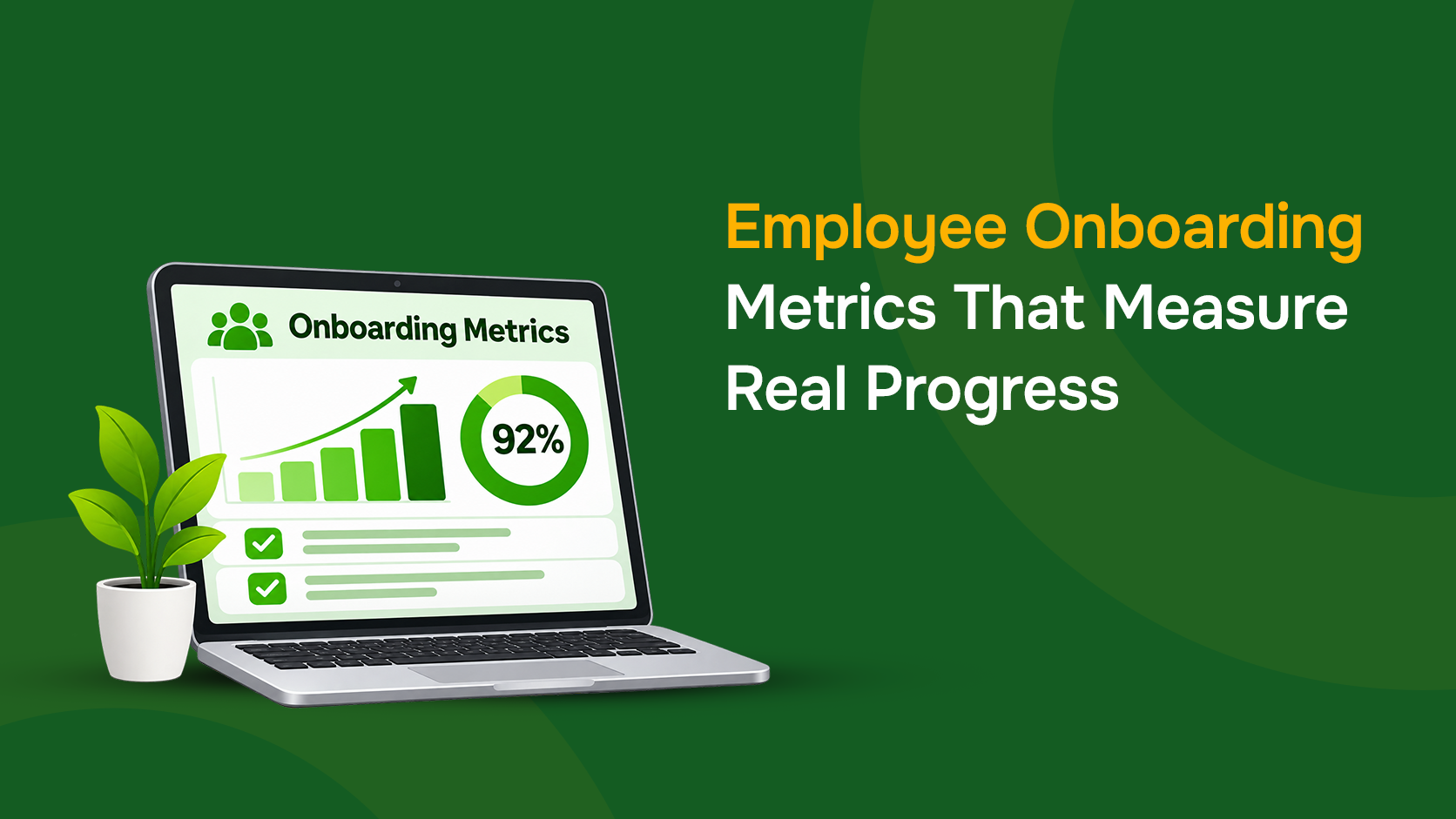
Onboarding success should be measured by how well employees adjust and contribute, not simply by whether every checklist item was completed.
SHRM's onboarding measurement guidance recommends evaluating several dimensions, including time to productivity, retention, new-hire surveys, engagement, performance, and informal feedback.
Metric | What It Helps You Understand |
Time to productivity | How long new hires take to reach expected role performance |
30-, 60-, and 90-day retention | Whether employees remain through important early milestones |
New-hire engagement | Whether employees feel connected and supported |
Onboarding survey scores | Which parts of the experience employees find useful or difficult |
Manager satisfaction | Whether new hires are becoming ready to contribute as expected |
Goal progress | Whether employees are meeting early performance milestones |
Onboarding completion | Whether required training, documents, and tasks are completed |
Together, these measures provide a more complete view than completion rates alone because they connect process execution to employee experience and performance.
Common Employee Onboarding Mistakes to Avoid
Most onboarding problems come from poor coordination, unclear ownership, or trying to give new hires too much information too quickly.
SHRM's onboarding-process guidance treats onboarding as a longer-term integration process rather than a single orientation event.
Avoid these common mistakes:
Treating onboarding as orientation: Completing paperwork and policies does not replace role integration, relationship building, and ongoing support.
Overloading the first week: Space information and training across stages so new hires have time to apply what they learn.
Leaving managers out: Give managers clear responsibilities for expectations, check-ins, introductions, feedback, and development.
Setting vague expectations: Define priorities, goals, responsibilities, and success measures early.
Ignoring social integration: Help employees build relationships with teammates, buddies, managers, and important cross-functional contacts.
Tracking completion only: Measure retention, engagement, feedback, performance, and time to productivity alongside administrative completion.
Addressing these issues helps keep onboarding focused on employee readiness rather than simply moving tasks from open to complete.
Keep the Hiring-to-Onboarding Handoff Organized
Convert hires into employees without losing their hiring history.
Start Free TrialConclusion
Strong onboarding gives new employees a clear path from accepting an offer to becoming confident, connected, and productive contributors.
The most effective approach combines early preboarding, structured first-week support, a 30-60-90-day plan, manager involvement, regular feedback, technology, and continuous improvement instead of relying on a one-day orientation.
As you apply these onboarding tips, connect them to your wider recruitment process so the experience promised during hiring continues after the employee joins.
FAQs
Frequently Asked Questions
Employee onboarding best practices are structured actions that help new hires prepare, build relationships, understand expectations, learn their role, and become productive over time.