
Passive Candidate Sourcing: 10 Proven Strategies to Recruit Top Talent
Recruit
Candidate Sourcing
15 min read
Key Highlights
Passive candidates are not engaged in job hunting, but many are open to the right opportunity.
Relying only on job postings limits your access to top talent.
Personalized outreach and relationship-building are more effective than generic recruiting messages.
Talent pipelines, employee referrals, and employer branding make passive sourcing more successful.
Using sourcing tools alongside a strategic approach helps recruiters hire faster and improve candidate quality.
Introduction
Nearly 70% of the global workforce consists of passive candidates. The most qualified professionals are not actively applying for jobs as they are doing just fine in their current roles. However, that does not mean they are unwilling to change roles. Gallup's 2025 data shows that nearly half of U.S. employees are looking for a better job opportunity.
The challenge is that these professionals rarely apply through job boards. If recruiters wait for applications, they may never reach some of the strongest candidates. Meanwhile, competing employers may already be building relationships with them.
That is why passive candidate sourcing has become an important recruitment strategy. Instead of waiting for candidates to come to you, recruiters proactively identify, engage, and nurture qualified professionals before the right opportunity arises.
In this guide, you'll learn what passive candidate sourcing is, why it matters, and proven strategies to recruit passive candidates effectively.
What is Passive Candidates Sourcing?
Passive candidate sourcing is the type of candidate sourcing where recruiters identify and connect to professionals who are not looking for a job but may be open to new opportunities that match their skills and career goals.
Instead of applications, passive sourcing targets qualified professionals who are not applying, but would consider switching if a better chance comes their way.
Passive candidates often stay off the radar as they are excelling in their current roles. So, they are highly valued because they often bring strong experience, specialized skills, and proven expertise. Hence, passive candidate sourcing is especially useful for hard-to-fill roles where qualified talent is limited in the active job market.
"The best talent is often not actively looking for a job.", Lou Adler, CEO, The Adler Group
Difference Between Active and Passive Candidates Sourcing
Active candidate sourcing targets professionals proactively looking for jobs, while passive candidate sourcing focuses on engaging professionals who are not seeking new opportunities but may be open to the right role.
Criteria | Active Candidate Sourcing | Passive Candidate Sourcing |
Target Talent | Targets people who are actively looking for a job. | Professionals who are satisfied with their current roles but may be open to better opportunities. |
Primary Goal | Fill open positions quickly by engaging active job seekers. | Finding specialized or hard-to-fill talent that isn't actively job searching. |
Sourcing Method | Job boards, career pages, and recruitment campaigns. | Direct outreach, networking, referrals, and professional platforms. |
Response Rate | Usually higher. | Usually lower but often higher-quality potential candidates. |
Hiring Speed | Typically, faster due to immediate interest. | May take longer to build interest and engagement. |
Best For | High-volume, entry-level, and urgent hiring. | Leadership, specialized, technical, and hard-to-fill roles. |
Examples | Job boards, career fairs, and social media hiring. | Headhunting, referrals, GitHub, Stack Overflow, LinkedIn, and X-Ray search. |
Why Passive Candidate Sourcing Matters
Passive candidate sourcing helps recruiters discover talented professionals who may not appear in traditional applicant pools. From accessing specialized skills to building future talent pipelines, it creates more opportunities to find the right fit.
Access experienced talent: Passive candidates often have proven experience and strong skills from their current roles. So, you get access to professionals who may not apply through traditional channels.
Find specialized skills: You can find candidates with niche expertise. These professionals are valuable for technical, senior, and hard-to-fill roles.
Improve quality of hire: With passive sourcing, you connect with professionals who closely match your role requirements. Moreover, you spend less time screening unsuitable applicants and more time engaging qualified candidates.
Expand talent pool: As mentioned above, most of the workforce consists of passive candidates who are just waiting for the right opportunity. When you try to reach a passive candidate, you tap to a larger talent pool with qualified talent.
Build future talent pipelines: Relationships with passive candidates support future hiring needs. You can quickly engage in suitable talent when positions open.
How to Source Passive Candidates Effectively: 10 Proven Methods
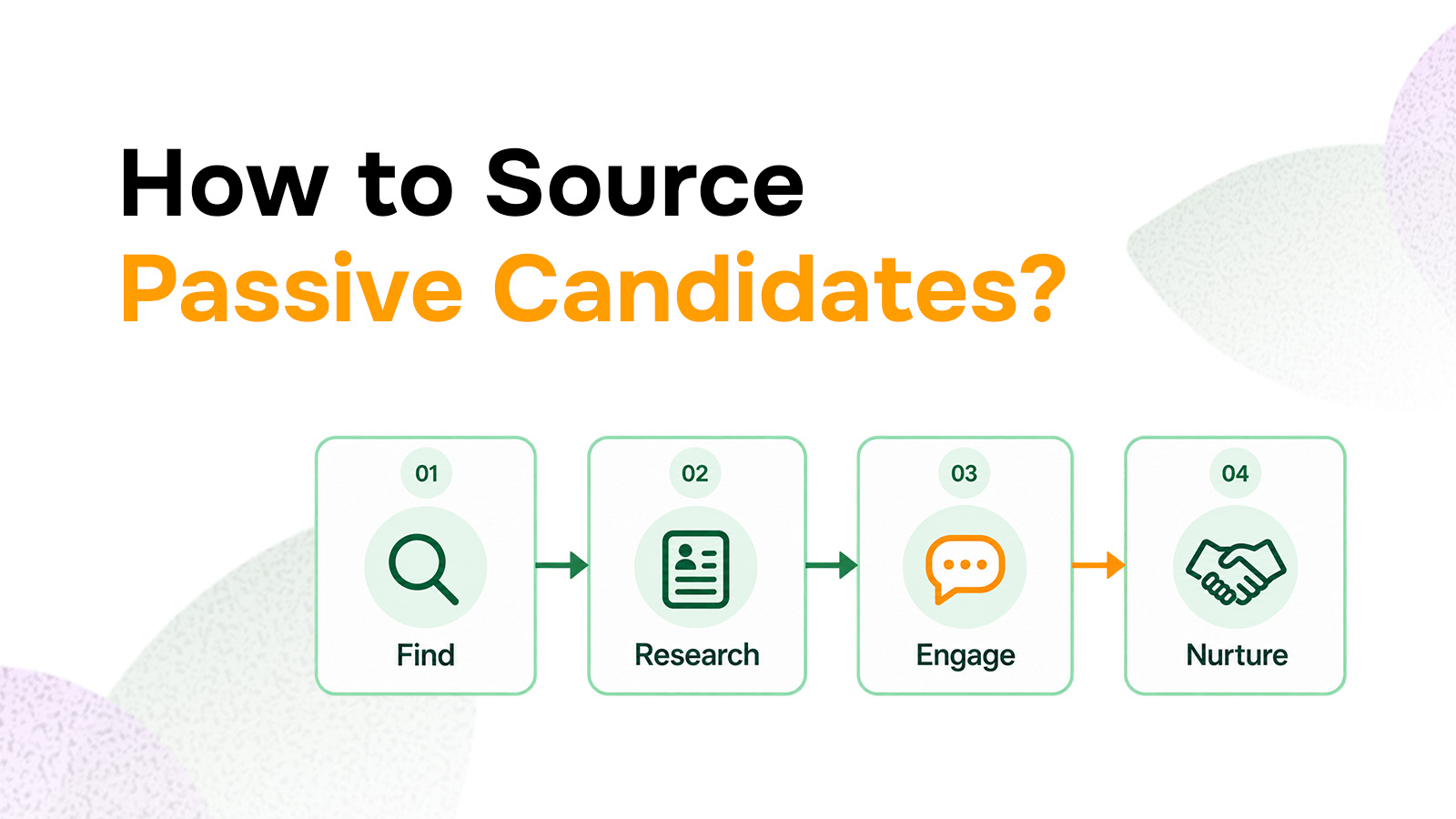
Here are some of the proven strategies for sourcing qualified passive candidates:
1. Define Your Ideal Candidate Profile Before Sourcing
Create a persona of your ideal candidate, including their requirements. Without one, you'll spend time reaching out to professionals who don't match the role or are unlikely to be interested.
Before you begin sourcing, align with the hiring manager on what a strong candidate looks like. Define the must-have skills, preferred qualifications, experience level, target industry, company background, and what might motivate the candidate to consider a new opportunity.
For example, if you're hiring a Senior Backend Engineer for a fintech company, your ideal candidate profile might look like this:
Hiring Criteria | Example |
Must-have skills | Python, AWS, Kubernetes |
Nice-to-have skills | Microservices, Team leadership |
Experience | 5–8 years |
Industry background | FinTech, SaaS |
Company background | Product-based startup or fintech company |
Candidate motivators | Career growth, larger-scale projects, flexible work, competitive salary |
Also identify alternative job titles (such as Backend Developer or Software Engineer – Backend), relevant keywords, target companies, and the platforms where these professionals are most active. Finally, confirm your employee value proposition (EVP) and compensation range before starting outreach.
2. Use Boolean & X-Ray Search to Find Hidden Profiles
Many passive candidates don't appear in basic keyword searches. Advanced search techniques help you uncover qualified professionals across LinkedIn, Google, GitHub, and other platforms.
Operator | Purpose |
AND | Includes multiple required keywords |
OR | Searches similar job titles or skills |
NOT | Removes irrelevant profiles |
" " | Searches exact phrases |
( ) | Groups search conditions |
For example:
("Backend Engineer" OR "Software Engineer") AND Python AND AWS NOT Intern
Combine Boolean operators with X-Ray search (site:linkedin.com/in) to discover profiles that platform filters might miss.
3. Engage on the Platforms Passive Talent Actually Uses
Go beyond LinkedIn by sourcing passive candidates on GitHub, Stack Overflow, Dribbble, Behance, industry forums, and X, using X-Ray search to uncover talent.
Sharing useful content, job insights, and company updates on these platforms helps build visibility. It keeps your company in front of them even when they are not currently searching for a job.
Consistent engagement creates familiarity over time. When the right opportunity comes, they are more likely to respond because they already trust your presence.
Hiring Engineers Who Aren’t Job Hunting?
See candidates, tasks andSource developers from GitHub, Stack Overflow, and niche communities, then manage every technical hire in one pipeline.next steps in one place.
4. Personalize Your Outreach
Passive candidates aren't waiting for recruiter messages. Messages built from generic templates usually get ignored because it doesn't explain why the opportunity is relevant.
While you may use the ATS, or any other recruitment tools for automation, you should separate review the candidate's profile before reaching out. Mention a recent project, achievement, certification, or shared interest to show you've done your research. Also, explain why their background stood out and how the opportunity aligns with their experience.
For example, instead of saying, "We're hiring for an exciting role," mention a project they completed or a technology they specialize in. Follow up once or twice if there's no response, but keep each message relevant and respectful.
5. Build and Nurture a Talent Pipeline
Don't stop engaging with passive candidates simply because they aren't ready to change jobs. Instead, add promising professionals to your talent pipeline and build relationships with them so you can reconnect when the right opportunity becomes available.
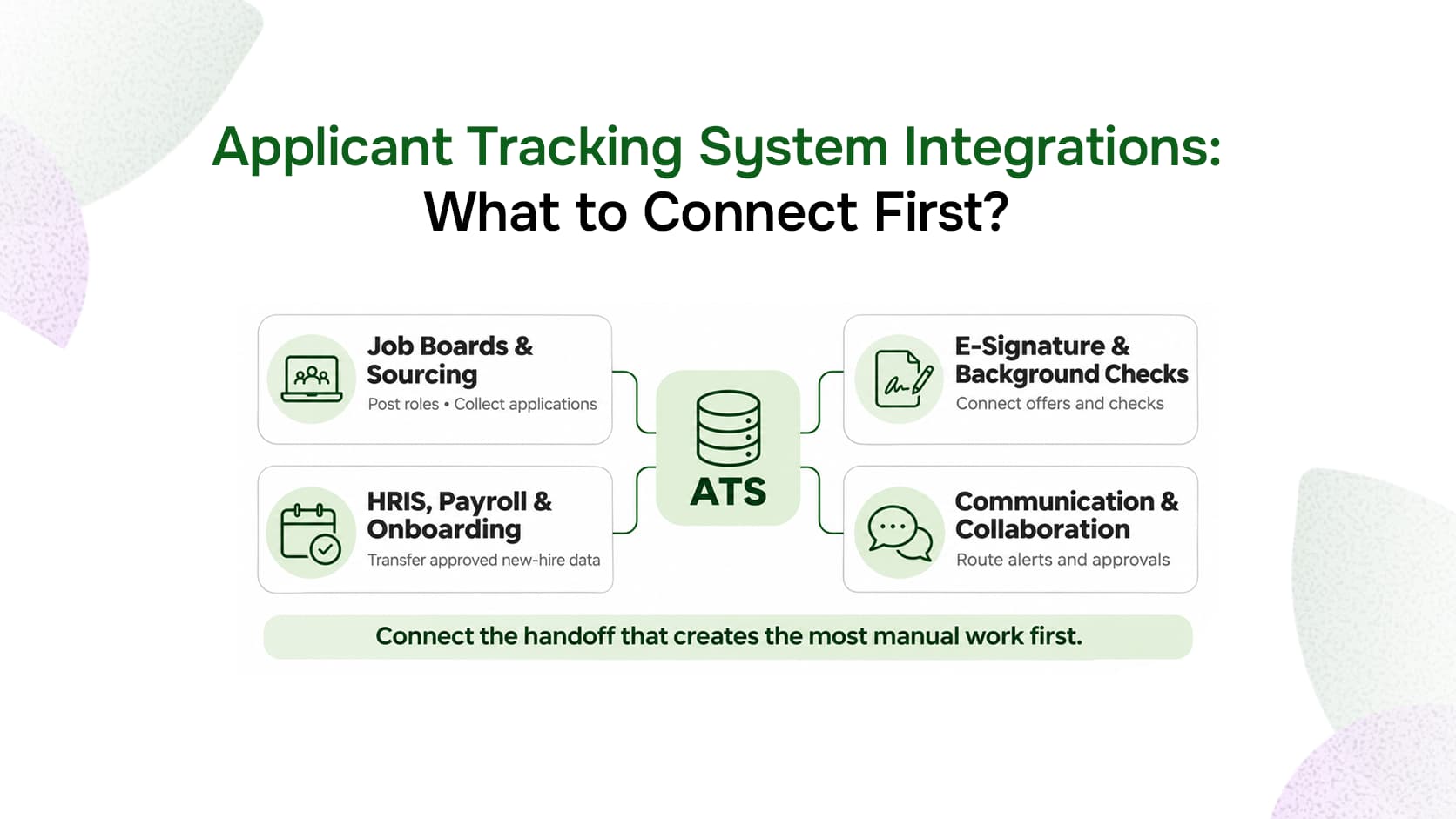
Your talent pipeline should include passive candidates, former applicants, referrals, event contacts, and community members. Organize candidates in your Applicant Tracking System (ATS) or Recruitment CRM based on skills, experience, location, or job function.
Furthermore, keep in touch through occasional updates, industry insights, or future opportunities. Consistent engagement keeps your organization top of mind without making every interaction feel like a sales pitch.
Turn promising candidates into a searchable talent pool with Mercury Recruit. Discover how it supports faster future hiring.
6. Leverage Employee Referrals & Networks
Employee referrals are one of the most effective ways to reach passive candidates. Referral hiring consistently outperforms traditional sourcing, with one in six referred candidates getting hired versus just 7% from other sourcing methods.
Employees often know former colleagues, classmates, or industry contacts. As for passive candidates, they also trust in the referrer, so it's easier to hire them.
So, build a referral program that is simple and rewarding. For this, clearly explain who employees should refer, make the submission process easy, and provide timely updates.
Furthermore, participate in industry events, alumni groups, online communities, and professional associations for warm introductions that are more effective than cold outreach.
7. Strengthen Employer Branding to Attract Passive Candidate
About 75% of candidates research an employer's brand after discovering a job opportunity and deciding whether to respond to your cold outreach. That's why you need a strong employer brand that shows your company is credible, reliable, and worth working for.
As candidates are 48% more likely to engage with video posts than with text-only social media posts. Share authentic content that reflects your workplace, such as employee stories, career growth opportunities, team achievements, and company culture. Also, present insights into what it's like to work at your organization beyond the job description.
Your employee value proposition (EVP) should be consistent across your careers page, social media, and recruiter outreach. When candidates see the same message everywhere, it builds trust and credibility.
A positive employer brand increases response rates, improves candidate quality, and makes future sourcing efforts more effective.
8. Re-Engage Past Candidates & Silver Medalists
Every hiring process produces qualified candidates who weren't selected but left a positive impression. Rather than letting those pre-qualified profiles (silver medalists) sit unused, revisit your ATS whenever a similar role becomes available.
Before starting a fresh search, review previous applicants, former interns, and past referrals from your talent pool. Since candidate screening is done previously, you won't have to filter them, and also, they may have gained new skills or experience since your last interaction. Hence, reconnecting with them is often faster than sourcing entirely new candidates.
Review their previous interview feedback, check their current role, and explain why the new opportunity is a better fit than the last one. Regularly update and revisit your talent pool to reduce time-to-hire.
9. Lead with Value, Not the Job
Passive candidates are rarely interested in discussing a job immediately. If you start every conversation directly with a vacancy, your outreach feels transactional and prospect will think you are just another recruiter.
Instead, offer something useful and intentional before asking for their time. Share industry insights, salary reports, career advice, webinars, technical resources, or invitations to professional events that align with their interests.
Additionally, you can offer value first to establish credibility and show that you're interested in building a relationship, not just filling a position.
And, when the timing is right, candidates are more likely to consider opportunities from recruiters who have consistently shared useful insights.
10. Use Sourcing Tools & Automation Thoughtfully
Modern candidate sourcing tools automate repetitive tasks, making it easier to identify and manage passive candidates. AI-powered ATS platforms and contact discovery tools help recruiters spend less time searching and more time building relationships.
Use hireEZ, LinkedIn Recruiter, SeekOut and other sourcing tools to search for multiple sourcing channels, organize talent pools, identify similar candidates, schedule follow-ups, and track sourcing activity. It improves the candidate's experience and results in attracting passive candidates.
While technology helps you find candidates faster, it cannot replace thoughtful research or personalized outreach. Human review is still important to ensure strong candidates are not missed due to strict filters or AI candidate screening. So, use these tools to support the hiring process, not fully control the decisions.
Explore our candidate sourcing strategies guide to find and engage better candidates.
How to Write Outreach That Passive Candidates Reply To
Writing outreach for passive candidates should feel personal, relevant, and easy to understand. Instead of pushing a job immediately, focus on starting a conversation.
Here's how to reach out to the passive candidate effectively:
1. Identify the Right Candidate
First, find professionals whose skills and experience match the role. Look beyond active job seekers and explore platforms where professionals showcase their work, such as GitHub, LinkedIn, professional communities, and industry networks.
2. Research Before Contacting
Before sending a message, understand the candidate’s background, achievements, and interests. Try to create a genuine connection and show that the outreach is intentional.
Example:
Instead of saying, “We have a front-end developer opening. Are you interested?” the recruiter notices Alex’s React contributions and mentions his specific experience in the message.
3. Personalize Your Outreach Message
Studies show that adding a candidate's name to the subject line boosts the likelihood of the email being opened by 20%.
So, do not send generic template messages to everyone. Create a message that explains why you are reaching out and how the opportunity aligns with the candidate’s experience.
Example:
Hi Alex,
I came across your GitHub contributions to React projects and was impressed by your work on building scalable frontend solutions. Your experience with modern web technologies stood out to me.
I’m reaching out because we’re hiring a Senior Frontend Engineer, and your background seems closely aligned with what our team is working on. The role involves building user-focused products and collaborating with a strong engineering team.
I know you may not be actively looking for a new opportunity, but I’d love to connect and share more details if you’re open to exploring it.
4. Highlight the Opportunity Value
Passive candidates are not looking for just another job; they need a reason to consider a change. Be specific about benefits to them, focus on growth, impact, learning opportunities, and why the company is great. Moreover, avoid only sharing job responsibilities or asking them to apply immediately.
Example: Instead of saying, “We need a Senior Frontend Engineer,” explain how Alex could contribute to building new products and work on challenging engineering problems.
5. Start a Conversation
The goal of the first outreach is to build interest, not push the candidate into the recruitment process. Keep the conversation open and understand their career goals. Plus, try not to put pressure on candidates to schedule interviews before they respond positively; otherwise, it pushes them away.
Example:
Would you be open to a quick conversation this week? I’d be happy to share more about the opportunity and learn what you’re looking for in your next career move.
6. Follow Up Professionally
Many passive candidates may not respond immediately, a thoughtful follow-up can help restart the conversation. Also, avoid sending repeated and automated messages without any added value or intent.
Example:
Hi Alex, just following up on my previous message. I understand you may be busy, but I’d be happy to share more details if this opportunity aligns with your future goals.
7. Build Long-Term Relationships
Passive candidate sourcing is not only about filling the current role; it is about building connections for future hiring needs. Even if they decline, end the conversation on a good note and keep them in a talent pool for the future.
Example:
Thanks for your response, Alex. I appreciate your time. I’ll stay connected and reach out if I come across opportunities that better match your interests in the future.
Learn how our Candidate Management tool makes it easier to track conversations and never miss a follow-up.
Common Mistakes to Avoid When Sourcing Passive Talent
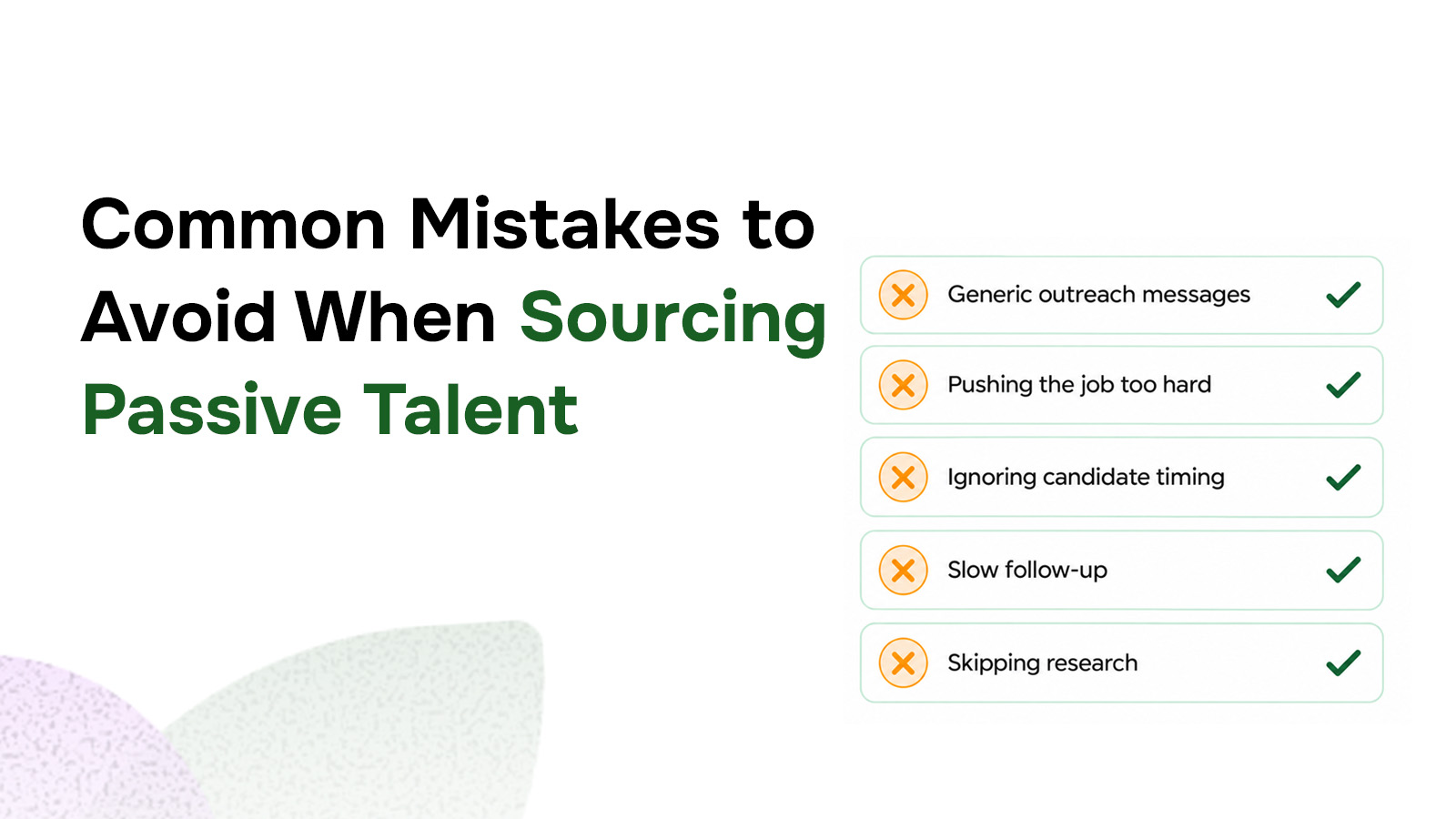
Passive candidate sourcing requires patience, personalization, and a long-term approach. Avoiding these common mistakes will help you build trust, improve response rates, and create a stronger pipeline of qualified candidates.
Sending Generic Outreach Messages: Copy-paste messages get ignored, and candidates can spot them instantly. Take a minute to mention their skills, a project, or an achievement. That one personal line is often the difference between a reply and silence.
Treating Passive Candidates Like Active Job Seekers: Passive candidates aren't looking for a job, so don't rush them into interviews. Start with a real conversation instead of a pitch. Interest grows when there's no pressure.
Reaching Out Only When a Role Is Open: If you only connect when a role is urgent, you're already late. Build genuine relationships with promising people before you need them. When a position opens, you'll have a warm pipeline instead of a cold start.
Ignoring Candidate Experience: Slow replies and vague details push passive candidates away fast. They already have a job, so they won't tolerate the messy process. Best practices like Clear, respectful communication keeps them interested.
Being Too Aggressive with Follow-Ups: A thoughtful follow-up shows genuine interest, but repeated messages can feel overwhelming. Reach out once or twice with reasonable spacing, then give the candidate time to respond.
Build a Passive Talent Pool That Stays Engaged
Create candidate communities, keep a structured database, and nurture passive talent with updates, events, and newsletters.
Try Mercury Recruit FreeConclusion
Passive candidate sourcing gives recruiters access to a much larger talent pool than job boards alone. Instead of waiting for applications, you build relationships with qualified professionals and stay prepared for future hiring needs. Over time, this creates a stronger talent pipeline and makes it easier to fill roles with the right people.
As your talent pool grows, though, keeping track of candidates, conversations, and follow-ups gets harder. Centralizing your passive candidate database in an ATS makes it easy to store candidate history, rediscover qualified professionals, and reconnect with them whenever a suitable role opens.
FAQs
Frequently Asked Questions
Sourcing passive candidates means finding and connecting with professionals before they apply for jobs. However, they may consider a new opportunity if it matches their skills and career goals.